Two legal experts discussing a case

Jury Duty: How the System Works and Why It Matters

Jury duty is an essential part of the justice system in the United States, and every citizen has a civic responsibility to participate when called. It can seem daunting at first, but understanding the process and the importance of your role can ease the experience. In this blog, we’ll break down how jury duty works and why it’s critical to the integrity of our legal system.

What is Jury Duty?

Jury duty is the process by which a group of citizens is selected to hear a legal case and make a decision based on the facts presented in court. Jurors are tasked with determining the outcome of a case, ensuring justice is served through a fair and impartial trial. This can include criminal, civil, or other legal matters. In places like Grant County, your role as a juror can have a significant impact on the lives of those involved in the case.

How Does the Jury Selection Process Work?

When you’re selected for jury duty, you’ll receive a summons to report to the courthouse. From there, potential jurors are questioned during a process called voir dire. Attorneys from both sides will ask questions to ensure jurors can be fair and impartial. If you’re selected, you’ll serve on a jury and help determine the outcome of a case.

During the trial, jurors listen to all the evidence, deliberating among themselves to come to a unanimous or majority decision based on the facts presented. This process is crucial for ensuring that everyone, regardless of background, is treated fairly under the law.

The Importance of Jury Duty

Jury duty is a cornerstone of democracy. It ensures that trials are not decided by a single judge or authority figure but by a diverse group of people who represent the community. By participating in jury duty, you help uphold the rights of individuals accused of crimes or involved in disputes, ensuring the fairness of the legal system.

For defendants who cannot afford the full bail amount set by the court, bail bond services offer a means of securing pre-trial release. These companies essentially guarantee the defendant’s appearance in court. By using a bail bond, individuals who lack the immediate financial resources can avoid remaining in jail while awaiting their trial, allowing them to participate more actively in their defense and maintain their livelihoods until their court date arrives.

An inmate reading a book in his cell

At DeLaughter Bail Bonds, we understand how stressful it can be when you or a loved one is facing legal challenges. If you need help navigating the bail process, we’re here to offer reliable, affordable bail bonds in Grant County. Our bail bond services ensure that individuals have the support they need to stay out of jail while awaiting trial. If you need affordable bail bonds, contact DeLaughter Bail Bonds today for compassionate and prompt assistance.

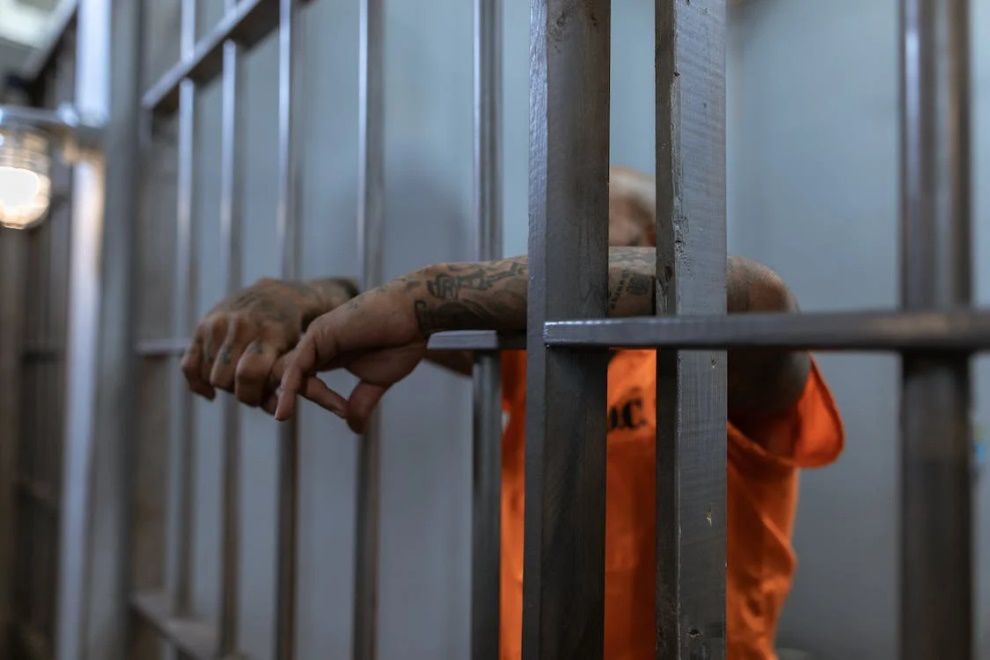
Person with tattoos wearing an orange suit behind bars

From First Offense to Repeat Offender: The Role of Bail in Recidivism

The criminal justice system is designed to ensure public safety while upholding the rights of individuals. One of its central features—bail—serves as a mechanism to guarantee an accused person’s return to court. However, the impact of bail on long-term outcomes, particularly recidivism, is often overlooked. Bail in recidivism plays a crucial role in determining whether someone reintegrates into society or becomes a repeat offender.

First-Time Offenders: A Pivotal Crossroads

For many individuals in Kosciusko County, a first arrest can be a life-changing event. At this stage, access to affordable bail bonds can be the determining factor in whether someone returns home or remains in jail awaiting trial. Remaining incarcerated, even for short periods, increases the likelihood of job loss, family disruption, and psychological stress—all factors that contribute to repeat offenses.

The Strain of Pretrial Detention

Extended detention without access to reliable bail bond services can trap low-income individuals in a cycle of incarceration. Research shows that people held in jail before trial are more likely to plead guilty just to get out faster, regardless of actual guilt. This plea can lead to a criminal record that increases the chance of future encounters with the justice system.

Affordable Bail Bonds and Community Reintegration

Affordable bail bonds in Kosciusko County help individuals maintain stability during the pretrial period. When people are released on bail, they have a better chance of keeping their jobs, staying connected with family, and accessing legal support. These factors significantly reduce the risk of recidivism by supporting rehabilitation and accountability rather than punishment alone.

A Call for Equitable Reform

Bail studies suggest that reforming the system to provide broader access to affordable bail bonds could reduce the number of repeat offenders. By promoting fairness and equal access, Kosciusko County can foster a justice system that prioritizes rehabilitation over re-incarceration.

A document with a stamp that reads ‘innocent’

Bail is more than a legal formality—it is a gateway that can either open the door to second chances or lock individuals into a cycle of repeat offenses. With dependable and affordable bail bond services, communities like Kosciusko County have an opportunity to address the root causes of recidivism and build a more just and effective system.

At DeLaughter Bail Bonds, we believe everyone deserves a fair shot at justice—especially in the moments that matter most. Our trusted bail bond services in Kosciusko County provide fast, compassionate support to help you or your loved one avoid the setbacks of unnecessary jail time. We offer affordable bail bonds that empower individuals to maintain jobs, care for their families, and prepare for court with dignity. Whether it’s a first offense or a repeat situation, we’re here to help break the cycle. Contact DeLaughter Bail Bonds today, and let us stand by your side when you need it most.

an individual wearing handcuffs

Crime and Punishment: Does the Bail System Favor the Rich?

The bail system plays a significant role in how justice is administered in the criminal justice system. However, many argue that it disproportionately benefits the wealthy, leaving those less financially fortunate to face more severe consequences. This article examines whether the current bail system is fair or whether it favors the rich.

The Concept of Bail

Bail is a financial arrangement that allows individuals charged with a crime to be released from jail while awaiting trial. The purpose of bail is to ensure that the defendant will appear in court. However, the amount of bail required can vary depending on the severity of the charge, the defendant’s criminal history, and the likelihood they may flee.

How the Bail System Disadvantages the Poor

While bail is intended to be a temporary arrangement to ensure the defendant’s presence in court, for many, it can become a financial burden. Individuals who cannot afford the set bail amount face the stark reality of being stuck in jail until their trial, which can take weeks, if not months. This can result in a loss of employment, separation from family, and additional stress during an already difficult time.

Those with financial means can post bail, ensuring their release, but the poor are often forced to remain incarcerated, further exacerbating the cycle of poverty and crime. For individuals in Huntington County and beyond, affordable bail bonds could offer a solution.

The Rich Get Out, While the Poor Stay In

The bail system’s inequality is particularly evident when you compare the treatment of the wealthy and the poor. Wealthier defendants can afford to pay the full bail amount or hire a bail bond service to help secure their release. On the other hand, poorer individuals may need to rely on public defenders or wait in jail for a much longer period.

This system results in an unfair advantage for the rich, as they can continue with their lives while awaiting trial, whereas the poor face heightened difficulties and prolonged jail time. It’s not just about the ability to post bail; it’s about the fundamental question of whether the system’s structure should be more accessible and equitable for everyone.

A gavel resting on a wooden block

At DeLaughter Bail Bonds, we are committed to making the bail process as smooth as possible. If you’re dealing with high bail amounts in Miami County, our bail bond services can provide quick and affordable bail bonds to help you or your loved one get out of jail. We’re here to guide you every step of the way, ensuring a fast and efficient release. Don’t wait—contact us now for immediate assistance and regain your freedom today!

A judge sitting in a formal suit at his table

The Judge’s Gavel: How Bail Amounts Are Decided

When someone is arrested, one of the first steps in the legal process is determining whether they will be granted bail and how much that bail will be. A judge plays a critical role in this decision, and understanding the factors that influence bail amounts can help individuals navigate the bail process. Here’s a breakdown of how bail amounts are decided and what factors are considered.

Factors That Influence Bail Amounts

Bail is set with the goal of ensuring that a defendant returns to court for their hearings while also taking into account the seriousness of the charges. The judge considers several key factors when determining the bail amount:

  1. Severity of the Crime: The more serious the offense, the higher the bail amount may be. For instance, felony charges typically result in higher bail amounts compared to misdemeanor offenses. Violent crimes like assault or murder often carry significantly higher bail amounts due to the severity of the crime.
  2. Criminal History: A defendant’s prior criminal history plays a role in the decision. Those with previous convictions may be deemed at higher risk of not appearing for their court dates, leading to higher bail amounts or denial of bail altogether.
  3. Flight Risk: If a defendant is deemed likely to flee or avoid court proceedings, the judge may set a higher bail amount to incentivize them to stay in the area and appear in court.
  4. Financial Resources: A judge will also consider a defendant’s ability to pay. If a defendant has the financial means to pay a high bail, they may be given a higher amount, while those with limited financial resources may be offered a lower bail or alternative options such as affordable bail bonds.

How Bail Bond Services Come into Play

For those who cannot afford to pay bail in full, bail bond services offer a solution. A bail bond agent posts bail on behalf of the defendant, typically charging a non-refundable fee (usually 10% of the total bail amount). In Miami County, affordable bail bonds provide a way for individuals to secure their release from jail while they await their court date. Bail bond agents in Miami County are familiar with the local court system and can help defendants navigate the process quickly and efficiently.

Man behind bars

At DeLaughter Bail Bonds, we understand that facing bail can be overwhelming. If you or a loved one is in need of bail bond services in Miami County, we are here to provide support. Our team offers affordable bail bonds and will guide you through the process to ensure a quick release. Don’t let high bail amounts keep you from getting the help you need—contact us today to get started and secure the freedom you deserve!

A police officer in a black uniform standing outdoors.

What Are Your Rights During a Police Stop?

Knowing your rights during a police stop can help you stay safe and calm. It’s important to understand what you should do and what law enforcement can and cannot do. Here’s a simple guide to help you handle a police encounter with confidence.

Tips to Handle a Police Encounter

Stay Calm and Be Polite

When a police officer stops you, stay calm. Keep your hands where the officer can see them, usually on the steering wheel or by your sides if on foot. Avoid sudden movements, and do not argue. Speaking calmly and politely can prevent misunderstandings. Always comply with lawful orders but remember you still have rights.

Know Your Right to Remain Silent

You have the right to remain silent. You do not have to answer questions about where you are going, what you are doing, or where you live. You can say, “I am exercising my right to remain silent.” However, in some states, you may need to provide your name if asked. Do not share more information than necessary without a lawyer present.

The Right to Refuse a Search

Police might ask to search your car, bag, or person. You have the right to say no unless they have a warrant or a legal reason to search you. Say clearly, “I do not consent to a search.” Do not physically resist, but make your refusal known. Officers might proceed anyway, but your statement can help your legal defense later.

Can You Leave?

Ask the officer, “Am I free to go?” If they say yes, calmly walk away. If not, you are being detained, and you should remain silent and wait for legal representation if needed. If you are under arrest, you have the right to know why.

What to Do If Arrested

If you are arrested, do not resist. You have the right to ask for an attorney. If you cannot afford one, the court will provide one for you. Do not say anything until you speak with your attorney. This can protect your rights and help prevent self-incrimination. Contacting a licensed bail bonds agent might also help you secure release quickly.

Record the Interaction

If it is safe, you can record your interaction with the police. Many states allow this as long as you do not interfere with their duties. A recording can help document what happened if needed later. Make sure to follow local laws regarding recording police officers.

Three police officers

Need Help? Contact DeLaughter Bail Bonds!

If you or a loved one needs help after an arrest, reach out to DeLaughter Bail Bonds. We offer 24-hour bail bond services in Fulton County, IN. Our licensed bail bond agents are here to provide affordable and fast support. Whether you need affordable bail bondsman services or 24-hour help, our family-owned company is ready to assist. Contact us today for the lowest rates and a stress-free process.

A person in black handcuffs with hands behind their back.

What Are the Most Common Reasons for Arrests in the U.S.?

When someone gets arrested, it can be a scary and stressful experience. But what are the most common reasons for arrests in the U.S.? Here is a look at the top crimes that lead to arrests nationwide.

Common Reasons for Arrests in the U.S.

1. Drug-Related Offenses

Drug-related crimes are a leading cause of arrests. These include possession, distribution, and manufacturing of illegal drugs. Simple possession of controlled substances makes up a large share of these arrests. Many people find themselves in trouble for carrying small amounts of marijuana, cocaine, meth, or prescription drugs without a prescription. Drug-related arrests often lead to serious legal trouble, making the need for affordable bail bonds vital.

2. Property Crimes

Property crimes like theft, burglary, and vandalism result in many arrests each year. Theft includes shoplifting, stealing cars, or taking other people’s belongings without permission. Burglary involves breaking into buildings to commit a crime, usually theft.

Vandalism includes damaging property, such as graffiti or breaking windows. These offenses often require quick access to bail bond services to avoid extended jail time.

3. Assault and Violent Crimes

Assault and other violent crimes are serious offenses that lead to many arrests. Assault can range from physical fights to using weapons. Domestic violence is also a big part of assault-related arrests. Other violent crimes include robbery, where force or threats are used to take something from someone. For those charged with violent crimes, securing bail bonds in Indiana quickly can help them await trial from home.

4. DUI and Traffic Violations

Driving under the influence (DUI) of alcohol or drugs is a common reason for arrest. Law enforcement often pulls over drivers suspected of impaired driving, which can lead to serious legal consequences. Other traffic violations like reckless driving, driving without a license, or fleeing from law enforcement also contribute to arrests. In many cases, a 24-hour bail bonds agency is crucial for getting back on the road.

5. Disorderly Conduct and Public Intoxication

Disorderly conduct covers a range of behaviors, such as disturbing the peace, fighting in public, or causing a public disruption. Public intoxication, which involves being visibly drunk or under the influence of drugs in a public place, also leads to arrests. These offenses are often linked to alcohol or substance use, and quick access to licensed bail bondsmen can make a big difference.

Man in woman in formal attire standing over a prisoner

6. Warrants and Failure to Appear

Many arrests happen because of outstanding warrants. Warrants can be issued for failing to appear in court, not paying fines, or violating probation. When someone does not show up for their court date, a judge may issue a bench warrant, leading to an arrest. Affordable bail bonds can help individuals avoid sitting in jail over minor infractions.

7. Larceny and Theft

Larceny, often called theft, involves taking someone else’s property without permission. It includes crimes like shoplifting, stealing personal items, or theft from vehicles. Larceny is one of the most common property crimes that lead to arrests. Getting help from a 24-hour bail bonds agency can make all the difference when time is critical.

Need Bail Bond Services? Contact DeLaughter Bail Bonds

If you or a loved one is facing arrest, it is important to get help fast. At DeLaughter Bail Bonds, we offer affordable bail bonds in Miami County, IN. Our licensed bail bondsmen are available 24 hours a day to provide the support you need.

We understand how stressful this situation can be, and our experienced team will work with you to secure bail quickly. Call us today for the lowest bond rates in the state and get the support you need during this challenging time.

Metal handcuffs resting on a pile of U.S. dollar bills, symbolizing the financial burden of bail.

What Are the Different Types of Bail Bonds?

When someone is arrested, getting out of jail quickly is often the top priority. Bail bonds make this possible. There are different types of bail bonds that serve different needs. Knowing the differences can help you make the right choice during a stressful time. Let’s break down the most common types of bail bonds: cash bail, surety bonds, and property bonds.

Types of Bail Bonds

1. Cash Bail

Cash bail is the simplest type of bail bond. You pay the full bail amount in cash to the court. The court refunds the money once the case is over and all court appearances are met. However, not everyone can afford to pay a large sum upfront. High bail amounts can make this option difficult for many families. Cash bail offers a fast and straightforward release but requires significant funds.

2. Surety Bonds

Surety bonds are the most popular type of bail bond. They involve a licensed bail bonds agent who acts as a guarantor to the court. The agent provides a bond to the court, ensuring the defendant will appear as required. The defendant or their family pays a fee (usually around 10% of the bail amount) to the bail bond services.

Surety bonds are an affordable bail bond option for those who cannot pay the full cash bail. If the defendant fails to show up in court, the agent may be responsible for the full bail amount. Surety bonds provide financial flexibility and are ideal for quick, 24-hour bail bonds.

3. Property Bonds

Property bonds use real estate as collateral. The court places a lien on the property, meaning the court can seize it if the defendant doesn’t appear in court. This type of bond takes longer to process because it involves property valuation and paperwork. Property bonds are often used when the cash bail amount is very high and other options are not available. They are a viable option for those with valuable assets but limited cash flow.

A hand holding a judge's gavel above piles of money, symbolizing the financial aspect of bail bonds.

Legal Implications of Different Bail Bonds

Each type of bail bond has legal implications. With cash bail, you risk losing the full amount if court requirements are not met. Surety bonds involve legal contracts with bail bond services, and there may be additional fees if the defendant fails to appear in court.

Property bonds can lead to the loss of valuable assets if the defendant does not comply with court orders. It’s important to understand these risks before choosing a bail bond option. Consulting a licensed bail bonds agent can help you navigate these legal details.

Need Help? Contact DeLaughter Bail Bonds!

If you or a loved one needs help, DeLaughter Bail Bonds is here for you. We provide 24-hour bail bond services in Grant County, IN, and work with families throughout Indiana. Our licensed bail bonds agents offer affordable bail bonds and guide you through every step of the process. Contact us today to get the support you need fast!

A close-up shot of a person writing in a book with a gavel on the table, symbolizing legal proceedings.

What Happens If Someone Skips Bail?

Getting arrested is stressful. Posting bail can bring relief, but it also comes with responsibility. When someone posts bail through a bail bonds agency or uses Surety Bonds, they must attend all court dates. Skipping bail, or “bail jumping,” can lead to serious consequences.

Legal Consequences of Skipping Bail

When a defendant skips bail, they miss a scheduled court date. This action breaks the bail agreement. The judge will likely issue a bench warrant for the defendant’s arrest. This means the police can arrest them at any time. It also adds more legal trouble. The defendant may face new charges on top of the original ones.

Skipping bail can also affect the defendant’s freedom. If they are caught, they may not receive bail again. Courts see bail jumping as a sign of being a flight risk. They might increase the bail amount or deny it altogether.

Financial Consequences of Skipping Bail

When using bail bonds, a licensed bail bonds agent covers the bail amount. The defendant or their family pays a fee, usually around 10%. However, if the defendant skips bail, the bail bonds agency becomes responsible for the full bail amount. The agency will try to recover this cost. They may demand payment from the person who signed the bail agreement. The co-signer could lose assets or money if the defendant does not show up.

If the agency cannot recover the money, it may take legal action. The court can order wage garnishment, seize property, or freeze bank accounts. This can lead to financial hardship for the defendant’s family.

Metal handcuffs resting on a pile of U.S. dollar bills, symbolizing the financial burden of bail.

The Role of Bounty Hunters

When someone skips bail, a bail bonds agency may hire a bounty hunter. Bounty hunters, also called bail enforcement agents, track down defendants who skip bail. They have legal rights that regular citizens do not, like crossing state lines and making arrests. Bounty hunters work fast because the agency wants to avoid losing money. They often locate and return defendants to court quickly.

How to Avoid Issues with Bail

It is important to follow all court instructions when out on bail. Mark court dates on a calendar. Stay in touch with your licensed bail bonds agent. If something comes up, communicate it immediately. Some situations might allow a court date to be rescheduled, but this must be done legally and through the right channels.

Always choose a reliable bail bonds agency with a 24-hour bail bond service. This ensures help is available whenever needed. Make sure the agency is experienced with surety bonds and has a good track record.

Call DeLaughter Bail Bonds for 24-Hour Bail Bond Service.

If you or a loved one needs help with bail, reach out to DeLaughter Bail Bonds. We are a family-owned company offering affordable bail bonds throughout Indiana. Our licensed bail bond agents in Huntington County, IN, are here for you 24/7. We provide surety bonds and ensure a smooth process from start to finish. Contact us today to learn more about our 24-hour bail bond service and how we can help.