About laynen08

Man behind bars

Prison as a Parallel Society: The Unseen Economy of Incarceration

The prison system in the United States operates as a parallel society with its own rules, economy, and power dynamics. The invisible yet thriving economy of incarceration plays a significant role in shaping the lives of inmates, their families, and the broader community. From bail bondsmen in Allen County to the black market within prison walls, understanding this hidden economy sheds light on the vast influence of incarceration.

The Economy of Incarceration

The economy of incarceration encompasses a range of transactions and industries. At its most basic level, it refers to the money flow generated by and around the prison system, from bail services to commissary purchases and even to underground markets. Inmates rely on money sent from the outside for basic needs, often purchasing toiletries, food, and other necessities at marked-up prices from prison commissaries. Furthermore, there are hidden economies within prisons, where goods like cigarettes, stamps, or even ramen noodles serve as currency. This creates a complex system of supply and demand inside the walls, reflecting the larger economic disparities seen outside.

The Role of Bail Bondsmen

Bail bondsmen play a critical role in the economy of incarceration, particularly in areas like Allen County. When individuals are arrested, they often face bail amounts that are far beyond their financial means. In these cases, bail bondsmen step in, offering to pay the bail in exchange for a fee, typically 10% of the total amount. This process allows the accused to return home and continue working or caring for their family while awaiting trial. While bail bondsmen provide a necessary service, they also contribute to the economic burden on lower-income families.

Impact on Families and Communities

The economy of incarceration reaches beyond the prison walls, deeply affecting families and communities, particularly in low-income and minority populations. Families often have to bear the financial burden of their loved one’s incarceration, from paying bail bondsmen in Allen County to sending money for commissary purchases. Communities with high incarceration rates also experience economic strain, as working-age individuals are removed from the workforce, leaving families without primary breadwinners.

Cop-Man

Facing incarceration can be overwhelming, but DeLaughter Bail Bonds is here to help. As trusted bail bondsmen in Allen County, we understand the financial challenges the economy of incarceration brings. Our team offers fast, reliable bail bond services to get your loved one home quickly while reducing the financial burden on your family. Don’t navigate this alone—contact DeLaughter Bail Bonds today for compassionate, professional assistance when you need it most.

Man behind bars

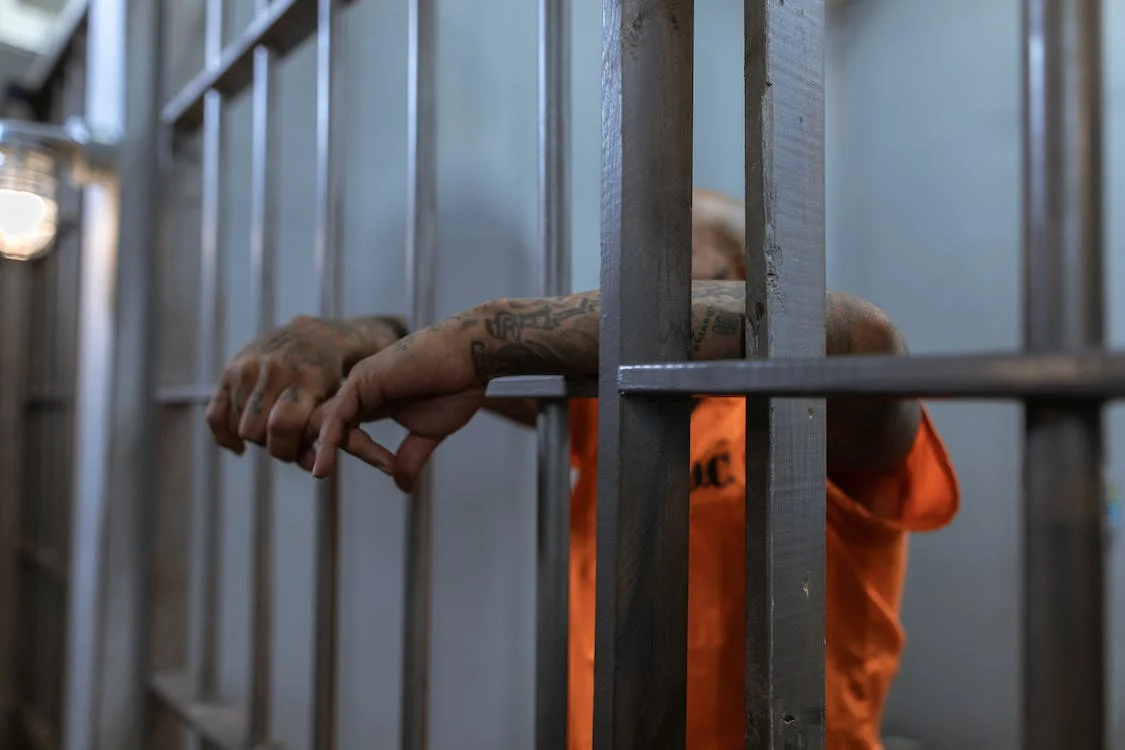
Tattooed Walls: The Art and Expression Inside Prison Cells

Prison cells, often seen as places of confinement and despair, have transformed into unexpected canvases of art. In many correctional facilities, inmates express their identities, emotions, and experiences through intricate tattoos that cover the walls. This form of self-expression not only provides a glimpse into the minds of those incarcerated but also tells stories of struggle, resilience, and the search for meaning in a constrained environment.

The Stories Behind the Tattoos

Each tattoo etched into the walls represents a unique narrative, often reflecting the life experiences of the inmate. From symbolic imagery to detailed portraits, these artworks can convey personal histories, cultural heritage, or messages of hope and despair. For many inmates, creating art becomes a therapeutic outlet, allowing them to cope with the harsh realities of prison life. It serves as a reminder of their pasts, aspirations for the future, and the connections they maintain with the outside world.

Art as a Means of Survival

In the often brutal environment of a prison, art becomes more than just decoration; it is a means of survival. Tattooing can foster a sense of community among inmates, providing a shared activity that transcends differences. Additionally, the act of creating art allows individuals to reclaim a sense of agency in an environment designed to strip it away. As they transform bare walls into personal galleries, inmates assert their identities and resist the dehumanizing aspects of incarceration.

The Intersection of Art and Rehabilitation

Many advocates believe that art in prison can play a significant role in rehabilitation. By engaging in creative activities, inmates can develop skills that may aid their reintegration into society. Programs that encourage artistic expression often focus on teaching inmates the value of communication, collaboration, and emotional regulation. As these individuals explore their creative sides, they can begin to heal from their past traumas and prepare for a new chapter upon release.

Three police officers

Beyond the Walls: The Role of Bail Bondsmen

While the stories told through tattooed walls are powerful, the journey for many inmates doesn’t end with their time inside prison cells. Bail bondsmen work diligently to assist those seeking release, providing a crucial service that can significantly impact their lives. By facilitating access to affordable bail bonds, these professionals help individuals escape the confines of prison, allowing them to pursue rehabilitation and reintegrate into their communities.

If you or a loved one is facing legal troubles in Noble County, don’t navigate the complexities of the bail process alone. DeLaughter Bail Bonds is here to help you secure affordable bail bonds quickly and efficiently. Our experienced bail bondsmen understand the urgency of your situation and are committed to providing compassionate support during this challenging time. Contact us today to discuss your options and regain your freedom with confidence!

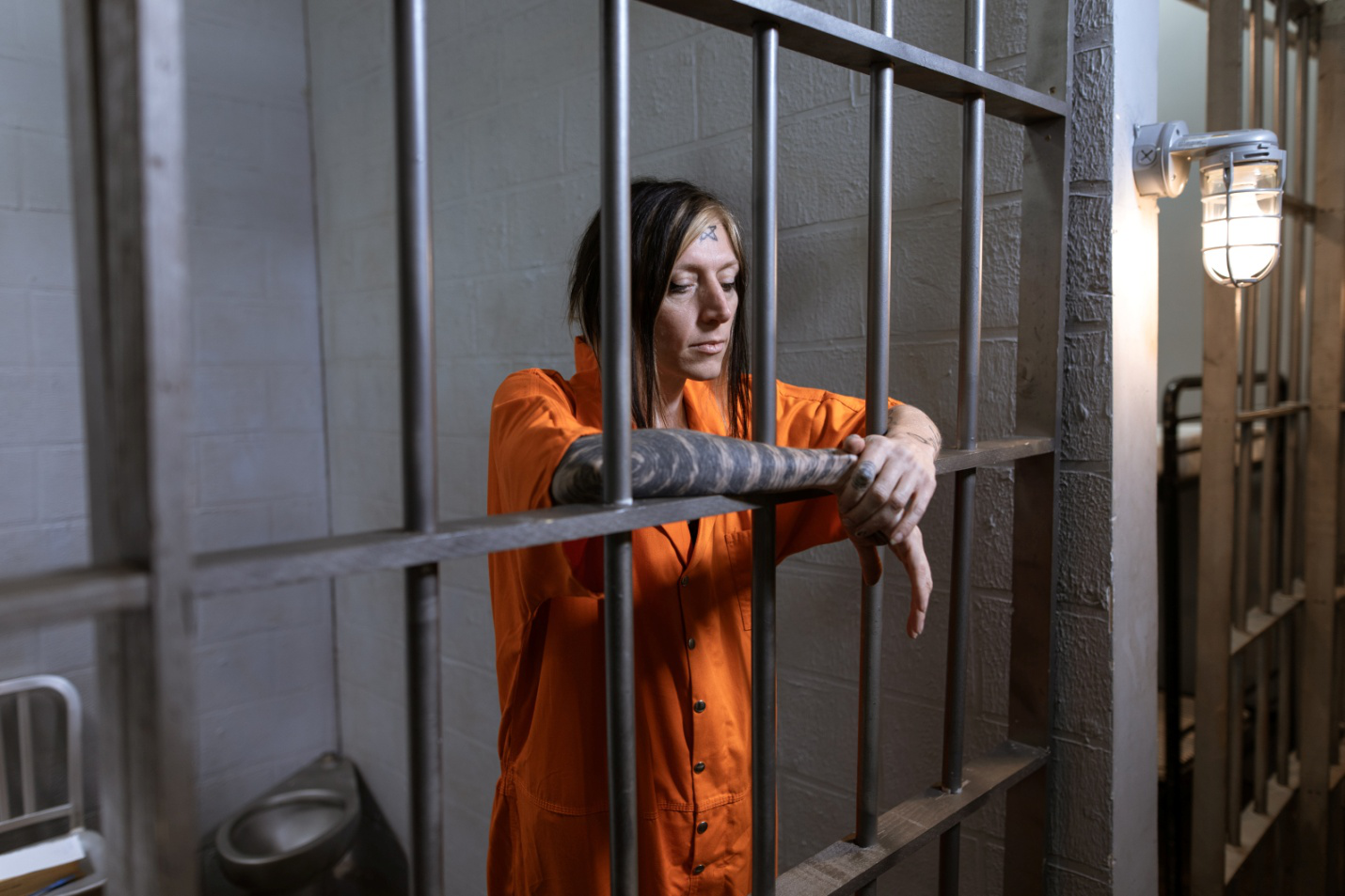
Woman holding bars

Women in Prison: Unique Challenges and Underreported Issues

The incarceration of women is a pressing issue that often goes unnoticed in discussions about criminal justice reform. While the number of women in prison has been rising, their unique challenges and the broader implications of their incarceration remain underreported. Understanding these issues is vital for addressing the needs of incarcerated women and improving their reintegration into society.

The Rising Population of Women in Prison

In recent years, the female prison population has surged, primarily due to non-violent offenses, including drug-related crimes. Women often face different circumstances leading to their incarceration, such as poverty, addiction, and histories of abuse. These factors contribute to a complex web of challenges that differ significantly from those experienced by male inmates.

Unique Challenges Faced by Incarcerated Women

Women in prison encounter a variety of unique challenges that can affect their mental and physical well-being. Many women grapple with mental health issues exacerbated by their incarceration, including anxiety and depression. Furthermore, the lack of gender-specific healthcare, including reproductive health services, leaves many women without adequate support. The trauma of separation from their children adds another layer of distress, as many mothers struggle with the emotional and psychological ramifications of being away from their families.

The Role of Bail Bondsmen

Access to affordable bail bonds is crucial for many women who find themselves in the criminal justice system. Unlike their male counterparts, women often lack the financial resources to secure bail, leading to prolonged pretrial detention. This extended time behind bars can have devastating effects on their lives, including job loss and the disruption of family dynamics. Bail bondsmen play a critical role in this process, providing the financial support necessary to secure release. However, the accessibility of affordable bail bonds remains a significant barrier for many women.

Underreported Issues

The challenges faced by women in prison are often overlooked in discussions about the criminal justice system. Issues such as sexual violence, inadequate mental health care, and lack of educational and vocational training are prevalent but frequently go unaddressed. These underreported problems highlight the need for reform that specifically targets the unique experiences of women in incarceration.

A couple looking at some documents

Increased awareness of issues such as the importance of affordable bail bonds and the role of bail bondsmen is crucial in advocating for the rights and well-being of women in prison.

If you or a loved one is facing legal challenges in Huntington County, don’t let the stress of bail hold you back. DeLaughter Bail Bonds is here to help with affordable bail solutions tailored to your needs. Our experienced bail bondsmen understand the urgency of your situation and are committed to providing prompt, compassionate support. Contact us today to learn more about how we can assist you in securing a swift release.

Man behind bars

The Privatization of Prisons: Profit over People?

The privatization of prisons has become a controversial topic in recent years, raising questions about its implications for justice and society. As the number of private prisons grows, so does the debate over whether profit motives compromise the integrity of the criminal justice system. This blog delves into the complexities of prison privatization, examining its effects on inmates, communities, and the overall justice landscape.

The Rise of Private Prisons

The trend toward privatizing prisons began in the 1980s, fueled by the War on Drugs and rising incarceration rates. Governments sought to alleviate overcrowding and reduce costs by outsourcing prison management to private companies. However, this shift has led to a system where profit often takes precedence over rehabilitation and the welfare of inmates.

Profit Motives vs. Human Rights

One of the most significant criticisms of private prisons is their profit-driven nature. Companies that run these facilities are incentivized to cut costs, which can result in inadequate healthcare, limited educational opportunities, and insufficient mental health services for inmates. Critics argue that this focus on profit undermines the fundamental goal of the justice system: to rehabilitate offenders and prepare them for reintegration into society.

Impact on Communities

The privatization of prisons also has far-reaching effects on local communities. Many private prisons are located in economically disadvantaged areas, where they provide jobs but can also perpetuate cycles of poverty and crime. As these facilities prioritize cost-cutting, they may contribute to social instability and neglect community needs. Furthermore, communities often bear the burden of increased policing and legal fees, which can lead to a higher demand for affordable bail bonds and bail bondsmen services.

Alternatives to Privatization

Advocates for criminal justice reform argue for alternatives to privatization, emphasizing the need for a system that prioritizes rehabilitation over punishment. Investing in public facilities, expanding mental health resources, and offering educational programs can lead to better outcomes for inmates and society. Additionally, promoting affordable bail bonds can help individuals avoid unnecessary incarceration, thereby reducing the burden on both public and private prisons.

By focusing on humane solutions, we can work toward a criminal justice system that truly serves the needs of all citizens, ensuring that the quest for profit does not overshadow the fundamental rights of individuals.

Legal professionals posing for a shot

At DeLaughter Bail Bonds in Fulton County, we understand that facing legal challenges can be overwhelming. Our dedicated team is here to help you navigate the bail process with compassion and efficiency. Whether you need a reliable bail bondsman or guidance on affordable bail options, we’re just a call away. Don’t let uncertainty keep you or your loved ones from freedom—reach out to us today for fast, professional service and regain peace of mind. Your future is important, and we’re here to help you secure it!

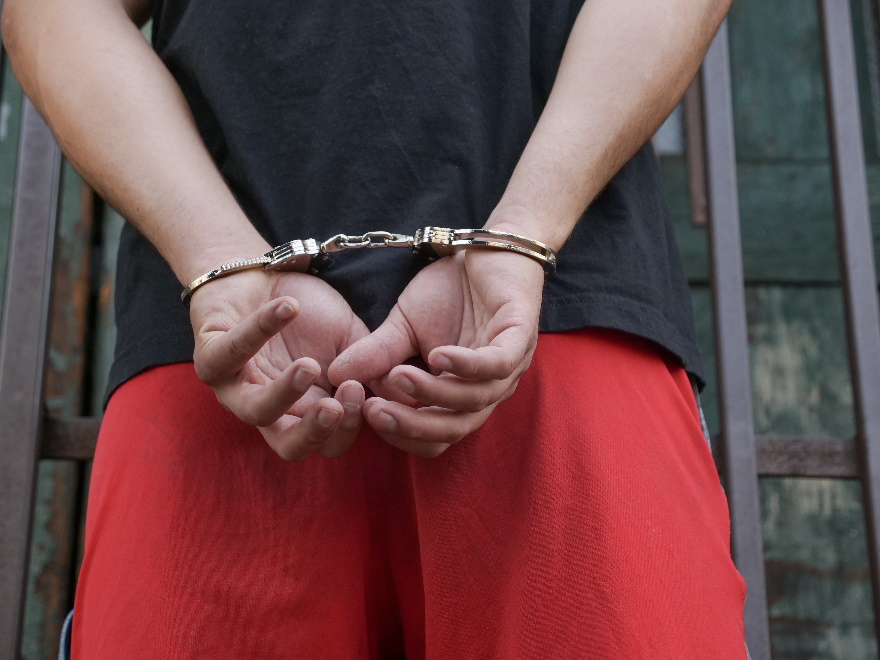
Handcuffs on an offender

The Ethics of Solitary Confinement: Cruel or Necessary?

Solitary confinement has long been a controversial practice in the criminal justice system. Advocates argue it is necessary for maintaining safety and order, while critics deem it a form of torture that violates human rights. This blog explores the ethical implications of solitary confinement, particularly in the context of affordable bail bonds and the role of bail bondsmen.

Understanding Solitary Confinement

Solitary confinement refers to the isolation of inmates in a small cell for 22 to 24 hours a day. This practice is often justified as a means to control violent behavior and protect both staff and other inmates. However, the psychological effects of prolonged isolation can be severe, leading to anxiety, depression, and even suicidal tendencies. Critics argue that the collateral damage inflicted on individuals in solitary confinement raises serious ethical concerns.

The Case for Solitary Confinement

Proponents of solitary confinement argue that it serves an essential purpose in the correctional system. They claim it protects the general prison population from dangerous inmates and helps maintain order. Furthermore, during a time when prison overcrowding is rampant, some believe that isolating particularly disruptive individuals is necessary to ensure the safety of both staff and other prisoners. Supporters maintain that there are safeguards in place, such as regular mental health evaluations, to monitor the well-being of inmates in isolation.

Ethical Concerns and Human Rights Violations

Critics counter that the ethical implications of solitary confinement far outweigh any potential benefits. Organizations like the American Civil Liberties Union (ACLU) argue that the practice constitutes cruel and unusual punishment, violating both the Eighth Amendment and international human rights standards. The long-term psychological effects on inmates can lead to increased recidivism rates, negating any temporary gains in prison safety. Many ethical frameworks emphasize the importance of rehabilitation and humane treatment, questioning whether solitary confinement aligns with these values.

Bail Bondsman with documents

The Role of Bail Bondsmen

The conversation around solitary confinement also intersects with issues of access to justice. Affordable bail bonds are crucial for individuals awaiting trial who may be at risk of being placed in solitary confinement due to their criminal charges. Bail bondsmen play a vital role in this process, helping ensure that defendants can secure their release and avoid the detrimental effects of pretrial detention.

If you or a loved one is facing legal challenges in Cass County, DeLaughter Bail Bonds is here to help. Our experienced bail bondsmen are dedicated to providing fast, affordable bail bond services tailored to your needs. Don’t let an arrest disrupt your life—contact us today to secure a reliable bail bond and get back to your daily routine. Reach out now to get started!

Woman behind bars

Juvenile Justice: How the System Fails Our Youth

The juvenile justice system is designed to rehabilitate rather than punish young offenders. However, its shortcomings often lead to dire consequences for our youth. Understanding these failures is crucial for fostering a system that truly supports rehabilitation and community safety.

The Overreliance on Incarceration

One of the primary failures of the juvenile justice system is its overreliance on incarceration. Many young offenders are placed in detention centers for non-violent offenses, where they are exposed to a criminal environment that can exacerbate their behavioral issues. This approach not only fails to address the underlying problems contributing to delinquency but can also lead to a cycle of recidivism. Instead of providing support, the system often punishes youth, reinforcing negative behaviors.

Inadequate Access to Resources

Access to affordable bail bonds is a critical factor in the juvenile justice process. Many families struggle to pay bail, leading to extended detention for young people who have not yet been convicted of a crime. This prolonged confinement can hinder their educational and social development, further entrenching them in a system that lacks adequate resources for rehabilitation. Bail bondsmen often have limited options for assisting families in securing their loved ones’ release, creating a barrier to justice.

Insufficient Mental Health Support

Mental health issues are prevalent among youth in the juvenile justice system. However, the support available is often inadequate. Many young offenders struggle with trauma, addiction, or mental health disorders that require comprehensive treatment. Unfortunately, the system frequently overlooks these needs, focusing instead on punitive measures. Without proper mental health resources, youth are less likely to rehabilitate successfully, perpetuating cycles of incarceration and reoffending.

a focused shot of a gavel

Racial Disparities and Bias

Racial disparities in the juvenile justice system are another significant concern. Minority youth are disproportionately represented in detention centers, often facing harsher penalties than their white counterparts for similar offenses. These disparities are indicative of a broader systemic bias that undermines the principle of equal justice. Addressing these inequalities is essential for creating a fairer system that prioritizes rehabilitation over punishment.

Moving Toward Reform

Reforming the juvenile justice system requires a comprehensive approach. Investing in community-based programs, increasing access to mental health resources, and ensuring affordable bail options can significantly impact the lives of young people. Additionally, fostering partnerships between community organizations and the justice system can provide the necessary support to help youth navigate challenges and lead productive lives.

If you or a loved one is facing legal challenges in Allen County, DeLaughter Bail Bonds is here to help. Our experienced bail bondsmen are dedicated to providing fast, affordable bail bond services tailored to your needs. Don’t let uncertainty keep you or your loved ones from moving forward—contact DeLaughter Bail Bonds today for compassionate support and reliable service. Let us help you secure your freedom!

Man behind bars

The Stigma of a Criminal Record: Life after Prison

Life after prison is an uphill battle, largely due to the lingering stigma of a criminal record. For those in Fulton County and beyond, this stigma makes it difficult to reintegrate into society. Whether it’s securing a job, housing, or simply regaining the trust of loved ones, a criminal record is a heavy burden. In this blog, we’ll explore the challenges of life after prison and how affordable bail bonds can be a crucial step in lessening this stigma.

The Impact of a Criminal Record

A criminal record follows individuals long after they have served their sentence. For many, this record is a barrier to employment, with employers hesitant to hire someone with a past conviction. Additionally, housing is often a challenge as landlords may refuse to rent to individuals with a criminal record. These hurdles create a cycle of poverty and recidivism, making it difficult for former inmates to start fresh.

The stigma extends beyond employment and housing. Social relationships are also affected. Friends and family may be wary, and the individual’s reputation within the community is often tarnished. The lasting effects of a criminal record can feel overwhelming, leading to depression and other mental health struggles.

The Role of Affordable Bail Bonds

Affordable bail bonds play a critical role in breaking the cycle of incarceration. In Fulton County, securing a timely release allows individuals to maintain their jobs, care for their families, and prepare for court. Bail bonds give defendants a fighting chance to address their legal challenges without falling deeper into debt or losing their livelihood.

Beyond the immediate financial relief, affordable bail bonds help minimize the long-term consequences of a criminal record. By avoiding prolonged pre-trial detention, defendants can prevent the stigma of being labeled as a “prisoner” in their communities. This early support is crucial in navigating life after prison.

Cop searching a man

Overcoming the Stigma: A Community Effort

Reducing the stigma associated with a criminal record requires community involvement. Education, employment programs, and rehabilitation initiatives are essential in giving former inmates a second chance. Employers need to be educated on the value of hiring individuals with past convictions, and housing policies must be adjusted to allow for fair access.

Don’t let a criminal record define your future. At DeLaughter Bail Bonds, we provide affordable bail bonds in Fulton County to help you or your loved ones secure a timely release. Our experienced team understands the challenges of life after an arrest and is committed to offering the support you need. Take the first step toward overcoming the stigma of a criminal record by reaching out to us today for reliable, compassionate bail bond services. Reclaim your freedom and protect your future with DeLaughter Bail Bonds.